Memories of imperialism

In the former Portuguese colony of DAMAN,
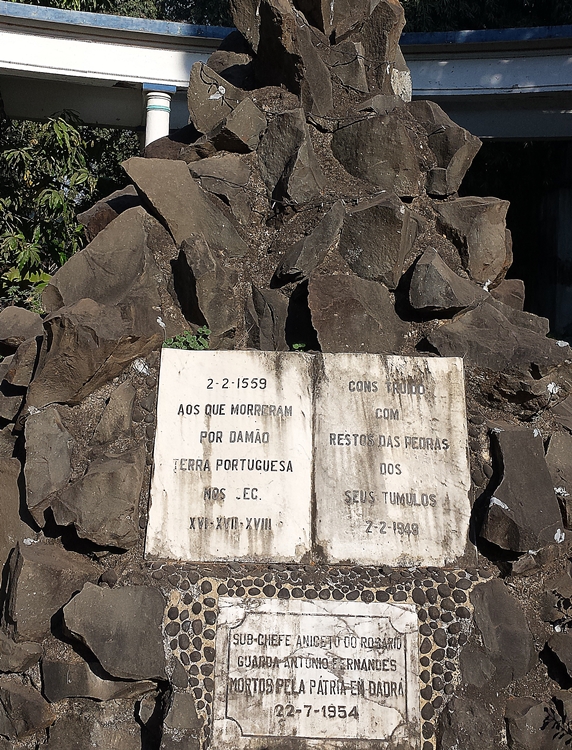
daman

“…there is a public garden, the Pargola (sic) Gardens. It contains a semi-circular colonnade and a monument built like a pile of rocks. The monument has a carved stone plaque commemorating the Portuguese who died on the 2nd of February 1559, the day that their country finally captured Daman.  A plaque beneath this is to remember those Portuguese who died on the 22nd of July 1954 during their unsuccessful defence of Dadra and Nagar Haveli.
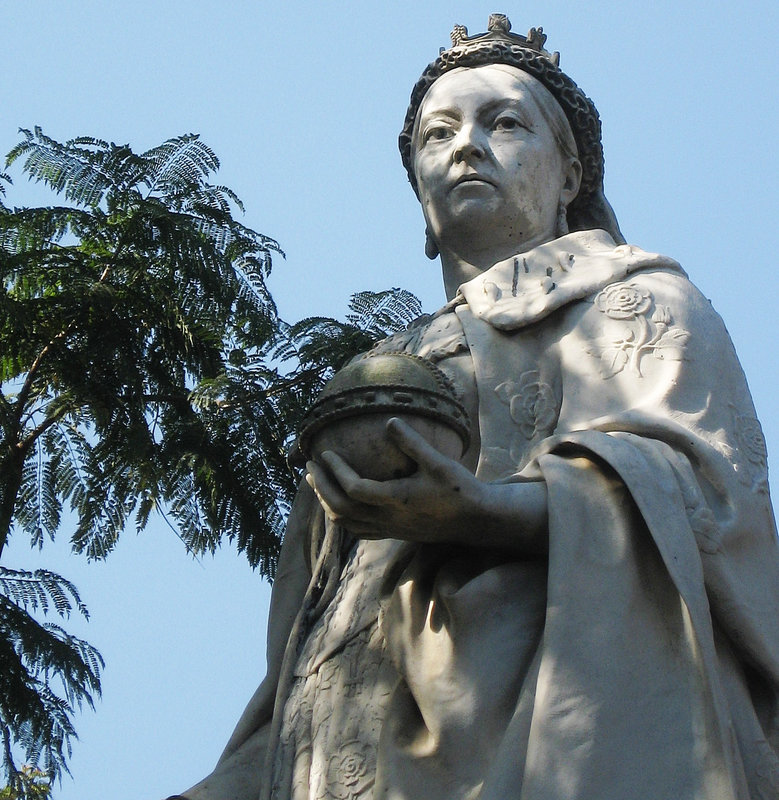
The late queen_800

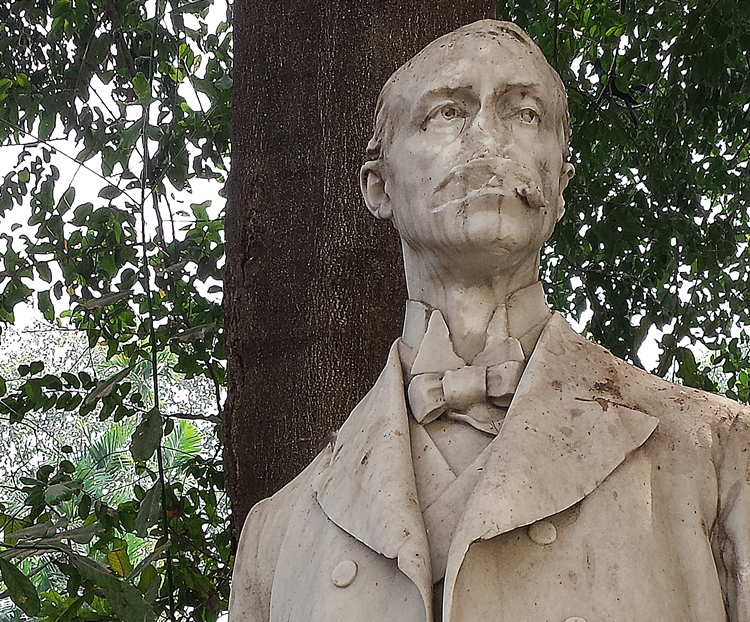
It is a sign of Indian tolerance that a monument celebrating the deeds of invaders has been left intact. I have seen examples of this elsewhere in India. For example, Cubbon Park in Bangalore has two well-maintained British statues, one of Queen Victoria and the other of King Edward VII, and in Calcutta there is the Victoria Memorial. In contrast, when we visited the Dr Bhau Daji Lad Museum (formerly The Victoria and Albert Museum) in Bombay, we saw a macabre collection of mutilated statues of British ‘worthies’. These had been vandalised during Maharastrian nationalist riots.

bau daji

This is a short excerpt from a new book/Kindle by Adam Yamey:

PAPERBACK   BUY A COPY                                  

KINDLE           DOWNLOAD HERE

Seeing through stone

j 8 champ

Champaner

Before setting out on our recent extended travels through Gujarat, I booked accommodation via a well-known travel website. The hotel I chose for Ahmedabad was the aptly named ‘Hotel Goodnight’. Its address, ‘Opp. Sidi Saiyed’s Jali, near Electricity House…’, intrigued me. What is a ‘Jali’, I wondered, apart from being an anagram of ‘jail’.

j 9 kings ahm

Ahmedabad

The word ‘jali’ (or ‘jaali’) means ‘net’ in Hindustani. As an architectural term, it refers to stone (usually) grille window screens. These screens are carefully intricately carved in stone. A flat stone is carefully perforated to produce an elaborate lattice of spaces surrounded by the remaining strands of stone. In India, they are found in temples (Hindu and Jain), mosques, and secular buildings. They are usually very attractive. These carved stone window coverings, that simultaneously provide shade and the passage of light, can be seen outside India. For example, there is at least one church in Palermo (Sicily), which contains jali work. In this case, it was created by Moorish craftsmen who remained in Sicily after it was conquered by the Normans.

j 0 palermo

Palermo, Sicily

Jali work can be found not only in buildings constructed many centuries ago, but also in more recently built structures, such as the Arts Faculty Building in Baroda and the Vijay Vilas Palace in Kutch Mandvi.

j 6 baroda arts fac

Baroda (19th century)


j 10 vijay vilas

Kutch Mandvi (20th century)

The best places in Gujarat for seeing jali, which we visited, were Ahmedabad and Baroda. If you don’t wish to travel so far afield, The Victoria and Albert Museum in London has some very fine examples in its South Asian galleries.

Victoria and Albert Museum, London

Returning to Sidi Saiyed’s Jali in Ahmedabad, here is an excerpt from my new book (for Kindle, click HERE ; for paperback,click HERE ):

Opposite our hotel and across the busy Relief Road, which one should not cross without first saying a prayer, is one of the city’s many architectural treasures. It is the Sidi Saiyed Mosque (aka: ‘Sidi Saiyed’s Jali’), which was built in 1573 during the last year of the Gujarat Sultanate. It was constructed by Sidi Saiyed, an Abyssinian general in the army of Sultan Shams-ud-Din Muzaffar Shah III. A learned man with a great library, he had served with Rumi Khan, a son of Khwajar Safar, who died at Diu. The Sidi’s grave lies in a wire mesh enclosure near the north east corner of the mosque. His much-revered gravestone is usually covered with beautiful coloured silk cloths.

j 7 ahmed

Sidi Saiyed Jali, Ahmedabad

This mosque is a long rectangular open-fronted pavilion. It is entered through any of five wide arches with pointed tops. The mosque’s domed ceiling is supported by four rows of pillars each supporting arches, which together form an arcade. The stonework is decorated in places with floral motifs that are not especially Islamic. The lower part of the rear wall facing the entry arches is plain stonework apart from a centrally placed mihrab.  The upper third of this wall has five almost hemi-circular stone arches. The central one is solid stonework. It is flanked on either side by pairs of exquisite, intricately perforated stone lattice screens, exceptional examples of jali work. They allow light to filter into the mosque from the west.  The screen at the south end of the mosque is carved to represent a Tree of Life with swirling, tangled branches…

GUJ LULU PIC

Why Gujarat?

AHMed 4

In Ahmedabad

Before and after our 8 week journey through Gujarat, Daman, and Diu, many people asked us why we chose to visit the region.

Ahmed

In Ahmedabad

Here is my answer.

Compared with other places in India (for example: Agra, Rajasthan, Kerala, Kashmir, the Himalayas, and Goa), Gujarat is relatively unvisited by Indian and foreign tourists. We saw no more than about twelve foreigners during our eight weeks in Gujarat and its two former Portuguese enclaves. Most of those whom we saw were in Diu. As I enjoy exploring places less-visited, Gujarat appealed to me.

Ahmed 3

In Ahmedabad

Another reason for visiting Gujarat is my wife’s heritage. Her father’s family originated in Gujarat, and her mother’s in formerly independent Kutch, now a part of the State of Gujarat. Lopa and I had never visited either of these places.

Ahmed 2

In Ahmedabad

Yet another reason for our trip was to see the two former colonies of Portugal: Daman and Diu. India is dotted around with territories that remained in foreign hands long after Independence in 1947. We had already been to Pondicherry and Mahé, both formerly French Colonies, and Goa, which was capital of Portugal’s Indian Ocean empire. Each of these places retain a colonial European charm of their own despite having been part of India for several decades. We wanted to discover what is left of the Portuguese influence in Daman and Diu, and we were not disappointed.

AHMED 5

In Ahmedabad

Would I recommend others to visit Gujarat, Daman, and Diu?

My answer is an unqualified YES!

The region is rich in  historic sights and history, handiwork, folk traditions. There are unspoilt beaches. The people are friendly and welcoming. Places are well-connected by public transport and accomodation is good. What more could you want?

Find out more by reading my book!

GUJ KIND COVER

Available on KINDLE, click H E R E

GUJ LULU PIC

To get the paperback, click H E R E

Missing the bus

bus 2

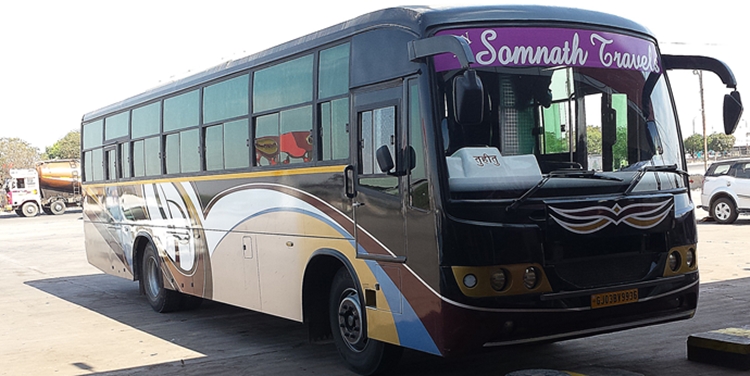
We left our hotel in Porbandar before dawn and joined people waiting in the darkness at a ticket agency on MG Road. Several coaches were waiting nearby, but not ours. Two of them left, partially filled with passengers. Soon after they had gone, a man with baggage appeared. He had just missed one of the buses that we saw departing. The woman manning the desk at the agency hailed a passing autorickshaw, and then hurried the late passenger into it before making a ‘phone call to the driver of the bus that had gone. She told him to wait for the auto to catch up with the bus so that the tardy person could embark. I could not imagine this happening at London’s Victoria Coach Station.

bus 1

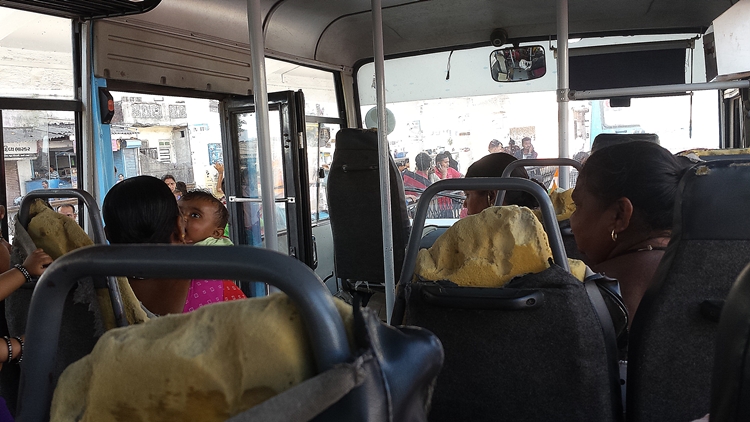
Our bus arrived. It was the same model as the one in which we had travelled from Junagadh. Moments before the driver climbed into his seat, a uniformed policeman entered the bus and placed two garlands with yellow flowers close to the steering wheel. Then, he disappeared on his motorcycle. The driver boarded. Before starting the engine, he arranged one of the garlands on two hooks above the centre of the windscreen so that it was draped around the rear-view mirror, and he placed the other around a small Hindu idol housed in a transparent Perspex box on the centre of the dashboard. Finally, he lit two agarbatti, which he stuck in a holder near the deity. A piece of plastic was stuck above the central rear-view mirror. It had words in Urdu script written on it. A sign behind the driver’s seat and facing the passengers was written in Gujarati script. My wife read this, and then told me that the words on it expressed (in Urdu transliterated into Gujarati script) Islamic sentiments of good intent. This bus was owned by the same people who operated the bus on which we had travelled from Junagadh, a Muslim family. Our driver was Hindu. The first aid box on the bus looked familiar. It was dirty and broken and hung at an odd angle from one of its hooks above the driver’s seat. When I saw this …

bus 3

Read more about Adam Yamey’s adventures and discoveries in Gujarat, Daman, and Diu, either in  a lovely paperback (buy a copy HERE) or on your Kindle (download a copy HERE )

GUJ KIND COVER SMALL

Beaches, camels, dhows, and …

pal mandvi

A view from Vijay Vilas Palace near Mandvi


Mandvi is a small but significant seaport on the coast of Kutch. Formerly an independent kingdom, Kutch is now part of Gujarat State.

GUJ KIND COVER SMALL

Here are some brief excerpts about Mandvi from Adam Yamey’s  paperback book “Travels through Gujarat, Daman, and Diu” (click here: NOW! )

ALSO available on KINDLE as “Travelling through Gujarat, Daman, and Diu” ( click here: HERE ! )


“After traversing a long multi-arched bridge across the wide mouth of the River Rukmavathi, we entered Mandvi.  It has a population slightly over fifty thousand. It is no larger than many villages elsewhere in India but is an important centre with a seaport. We passed a circular stone bastion and a stretch of the old city walls attached to it before entering the old city through a lovely, old, narrow stone archway. Cowpats, to be used as fuel, were drying on its walls. Much of the rest of Mandvi’s once extensive fortifications have been destroyed in recent years.”

mandvi 3

Cow dung drying on the remains of the city walls of Mandvi


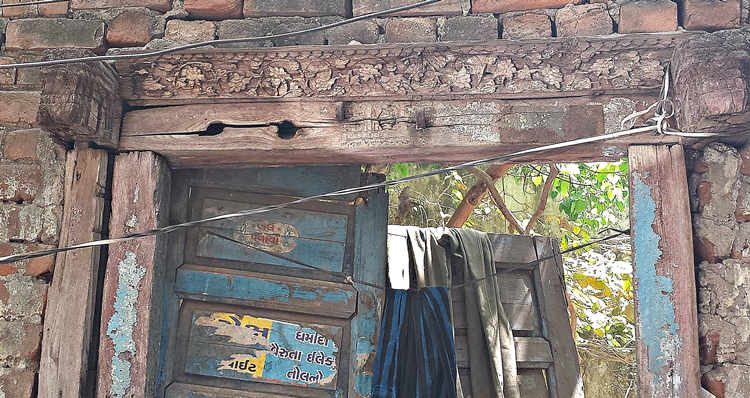
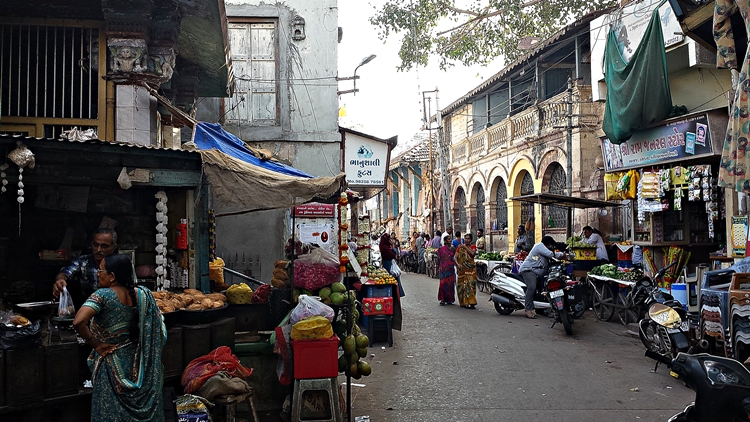
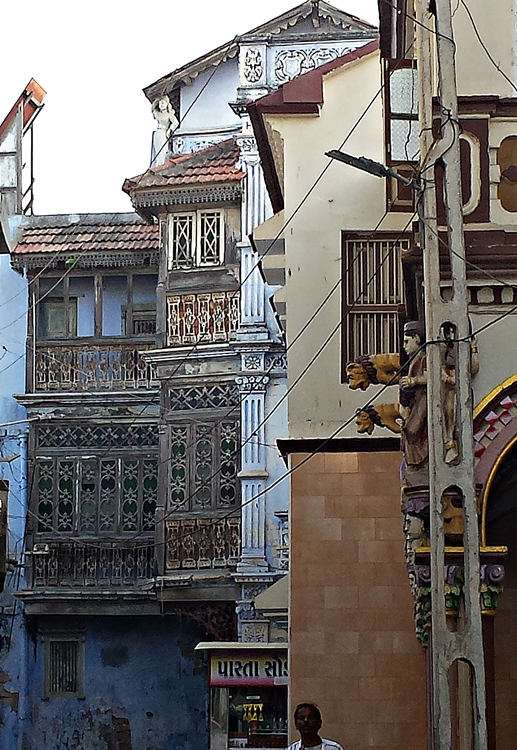
“The bazaar is a tangled warren of narrow, smooth-surfaced lanes lined with shops and some venerable, picturesque buildings. The older buildings are embellished with verandas and upper-storey terraces and much nicely carved woodwork.”

mandvi 4

“Numerous motorbikes and scooters wove their way through the crowds of pedestrians, who ambled along paying little or no heed to the motorised two-wheelers, whose owners sounded their horns unceasingly.”

mandvi 7

“During our subsequent travels in Gujarat, we began to get used to mingling with vehicles that moved through bazaars, getting so close to us that we were almost hit by them. That we were never harmed by them is a testament to the skill of their drivers.”

mandvi 1

“I managed to become detached from my companions and became quite lost in this picturesque environment because I was too busy taking photographs…”

mandvi 5

“…Luckily, I knew the name of the shop, to which the others were heading. A kindly shop owner sent his shop assistant to lead me to the shop, where I was supposed to be.”


mandvi 11

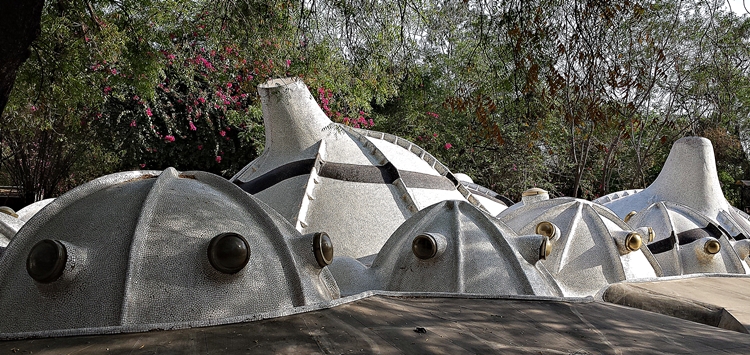
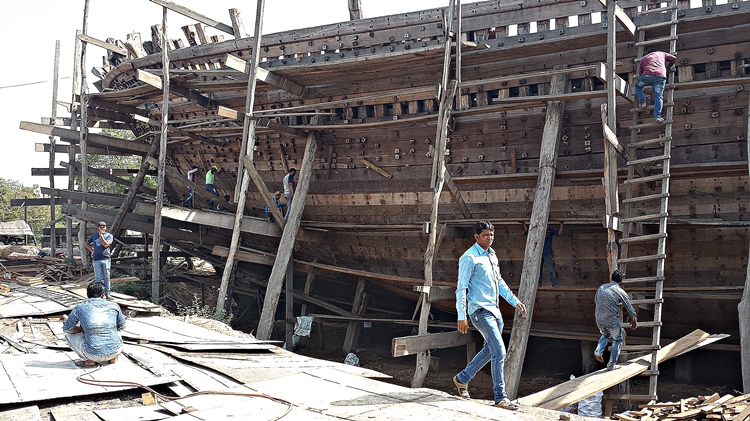
“I noticed a plastic building shaped like a dome. Standing on the shore, it reminded me of the hemispherical concrete bunkers that the Stalinist dictator Enver Hoxha built all over Albania. This one had no defensive purpose. It was the fishermen’s office. Across the almost dried up mouth of the river on the opposite bank, we could see the large wooden boats being constructed in Mandvi’s ship yards.”


mandvi 10

“Mandvi is well-known for its production of wooden dhows, which are sold to, and used in, the Arabian Gulf, mainly Dubai. The owner of one of the yards, whom we saw seated in a deck-chair, informed us that the timber for the boats is imported from Malaysia. It is not teak, but the highly durable and water-resistant sal wood (Shorea robusta).”


mandvi 8

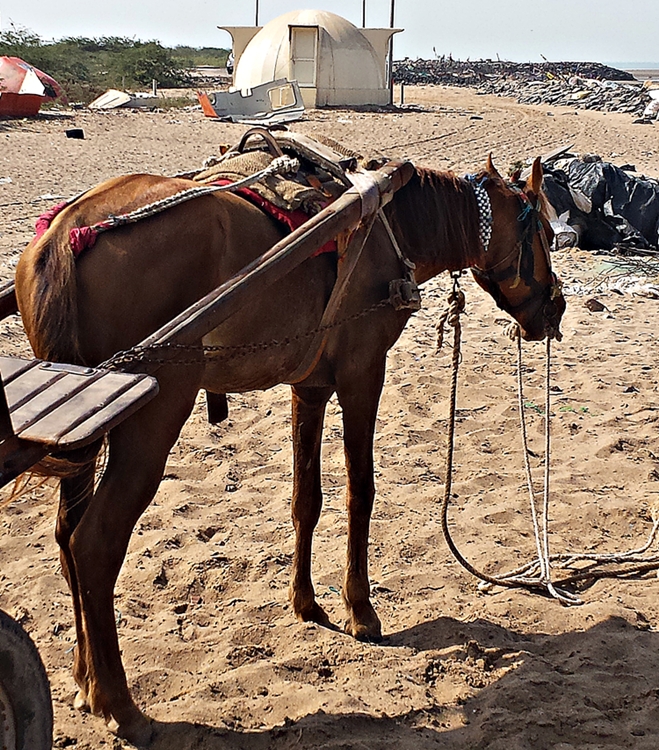
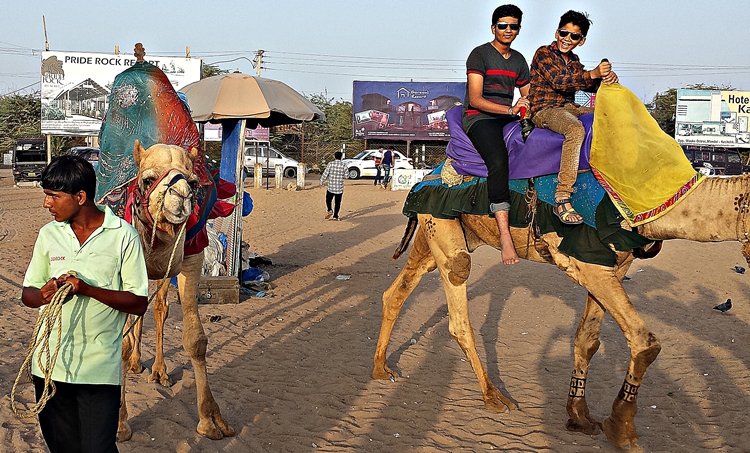
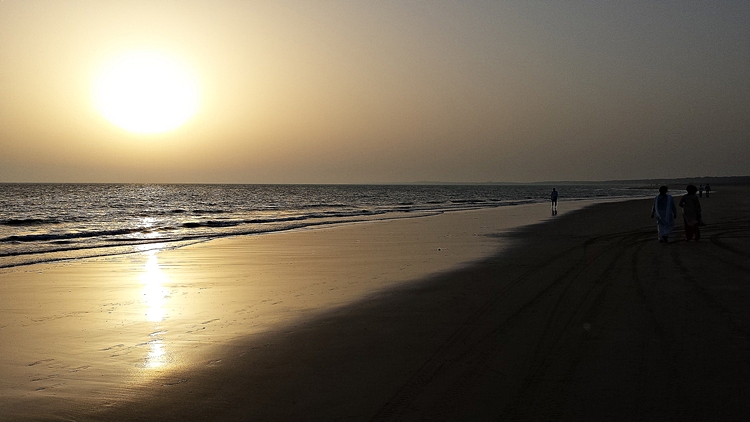
“After our shopping expedition, we drove to the nearby sandy Mandvi Beach by the Arabian Sea. We walked passed many flimsy-looking stalls and huts selling snacks and knick-knacks. Near these, there were horses and tattooed camels available for hire to visitors.”


mandvi 2

“J  drove us to the Shri Ambe Dham Mandir … Next to the mandir (temple), there is an alcove containing a greater than life-size model depicting Mother India wearing a gold-coloured crown and a robe (coloured orange, white and green) holding the National Flag of India. Behind her, there is a large map of India showing all of India’s states labelled in Gujarati script. Models of nine men wearing various Indian national costumes (including Sikh and Muslim) stand around the female figure.”


mandvi 6

If you have enjoyed these excerpts, then read much more about Gujarat, Daman, and Diu  by clicking:

  HERE (for paperback)   

HERE (for KINDLE)

mandvi 9

Get into Gujarat

GUJ KIND COVER

An exciting new account of travelling in today’s Gujarat is now available on Kindle:

To download a copy, click:

HERE

Almost wherever you live, you are bound to have met members of the Gujarati diaspora. Yet, Gujarat in western India, where they originated, is hardly known or visited by foreign and Indian tourists.

Adam Yamey’s richly illustrated book describes his travels through Gujarat and two former Portuguese colonies, Daman, and Diu, with his wife. Her knowledge of Gujarati allowed the travellers to speak with locals and gain their insightful views about Gujarat’s past, present, and future.

Join Adam and his wife in their adventures through the land where Mahatma Gandhi was born and educated. Meet the people and discover places whose beauty rivals the better-known sights of India.

chakkk

Junagadh

PS: A paperback version will be available soon

The overloaded cab

Excerpt from “Travels through Gujarat, Daman, and Diu“, soon to be published  in paperback by Adam Yamey, NOW available as a Kindle with the title “TRAVELLING THROUGH GUJARAT, DAMAN, & DIU” ( buy your copy:  here!)

DAM 1

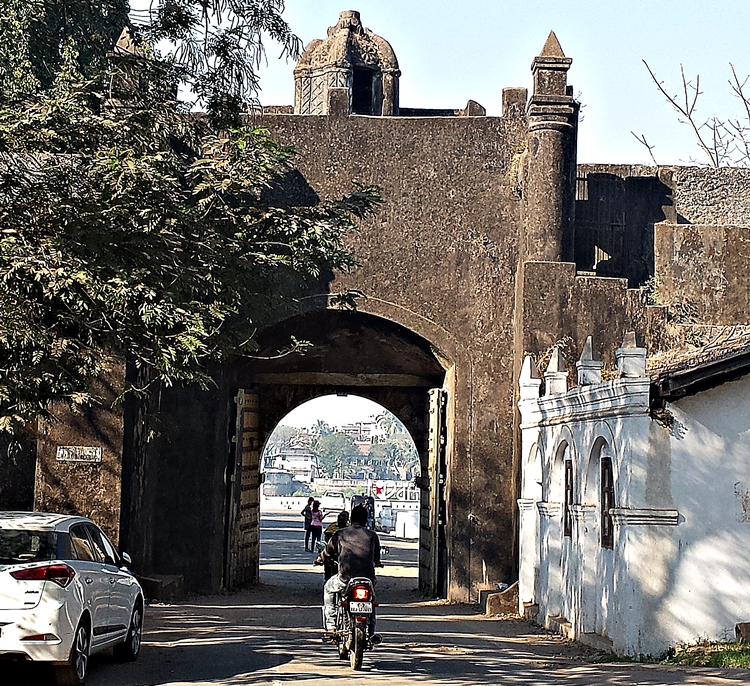
Water gate in Moti Daman

A kind man driving a three-wheeler van gave us a lift from the tea stall to the gate where we had begun our walk in Moti Daman. Speaking in Gujarati, in which my wife is fluent, he told us to wait for an auto where he dropped us. The sun was setting, and there was not much traffic. Eventually, an auto already carrying four large passengers stopped to pick us up. Two of the passengers moved to the front of the vehicle and squatted hazardously on either side of the driver, and we squeezed onto the narrow passenger seat next to the other two people. After a short distance, we stopped. The two men squatting beside the driver disembarked and walked ahead of us. We drove on, weaving our way around the barriers of a police check post, and then stopping again when we had passed out of sight of it. The two men, who had disembarked, retrieved their positions beside the driver, and we continued across the river to Nani Daman. The driver explained that the two men had had to walk ahead of us past the check point in order that the auto would not be stopped by the police because of being overloaded.

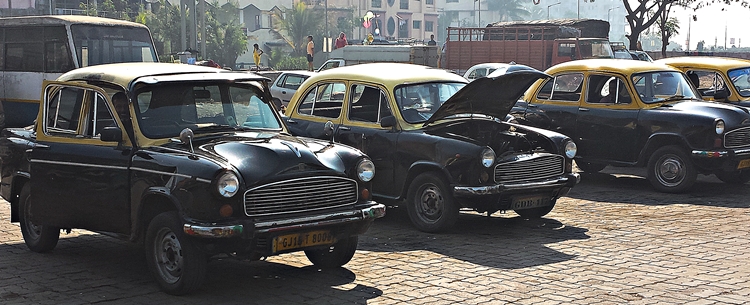
We disembarked at the bus stand and paid a small fare. We saw many taxis parked there. Painted yellow and black, they were old Ambassador vehicles, just like the taxis used to be in Bombay many years ago …

DAM 2

Ambassador taxis in Nani Daman

Gandhi’s voice still lingers…

Excerpt fromTravels through Gujarat, Daman, and Diu“, shortly to be published by Adam Yamey

 [Ahmedabad]

ash 1

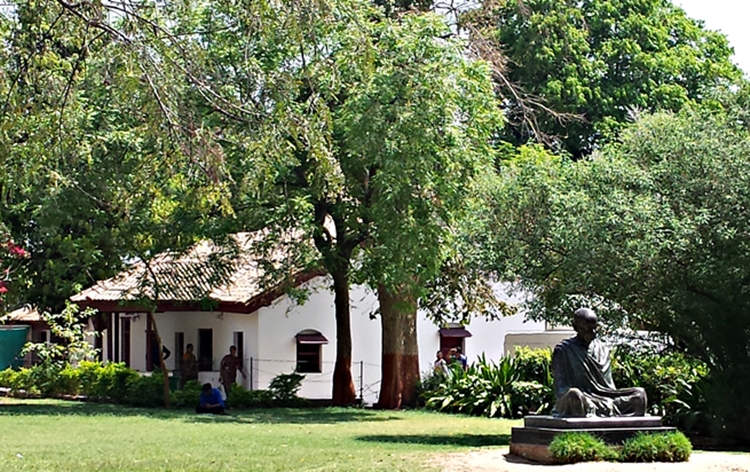
When Gandhi returned to India from South Africa in 1915, having established Tolstoy Farm, an ashram in Natal in 1910, he created one on a small plot at Kochrab, south west of the walled city of Ahmedabad. Gandhi chose Ahmedabad for several reasons: it is a Gujarati speaking city; he had wealthy supporters there; it was an historic centre for handloom weaving; there were mill-owners sympathetic to his cause who would supply him with yarn for spinning; and, most importantly, it was in British territory rather than in a Princely State. It was important, he felt, that the struggle against the British should not be launched from non-British soil. After Ahmedabad, Gandhi established more ashrams in other parts of India. Because of outbreaks of disease at Kochrab and Gandhi’s desire for a larger area for experimenting with farming and khadi production, a new and larger ashram, the Sabarmati Ashram, was set up in 1917 on a site overlooking the Sabarmati, where it remains today. Gandhi lived there until 1930. In March of that year, Gandhi set out from the ashram on his historic 390-kilometre Salt March to Dandi. On the day he set off, he swore that he would not return to the Sabarmati Ashram until India had gained independence from the British. This ashram served as an important centre of India’s Freedom Struggle. Now no longer a working ashram, it is a much-visited and revered place of pilgrimage.

ash 2

The Sabarmati Ashram is beautifully landscaped. Many of its original single-storey buildings are dotted amongst trees, lawns, and bushes. They are all in immaculate condition, each one housing various exhibits. There is also a superb bookshop, stocking books about Gandhi, his associates, Indian history, and general travel. A small inscribed stone close to some steps leading down to the river marks the Upasana Mandir, an open space that was consecrated for the morning and evening prayers of the inhabitants of the ashram. The stone’s inscription dated 2nd October 1936, Gandhi’s seventieth birthday, records that this was the space where: “…the hallowed voice of many a sermon of Gandhijee still lingers…”

ash 3

River Sabarmati

A poet of Gujarat

Another excerpt from “Travels through Gujarat, Daman, and Diu“, soon to be published by Adam Yamey:

[In JUNAGADH]

NAR 0

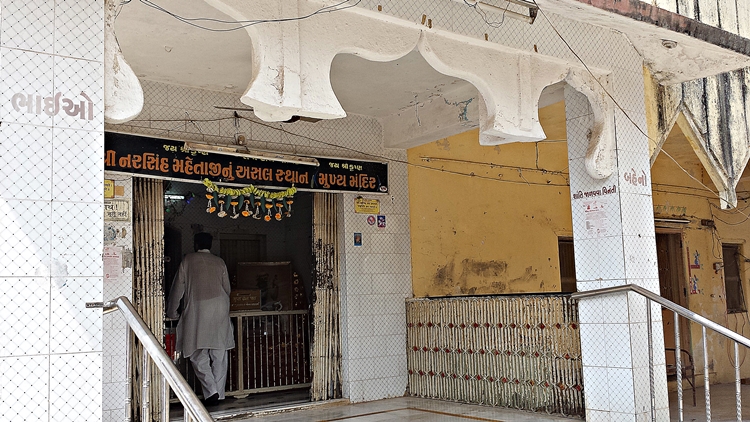
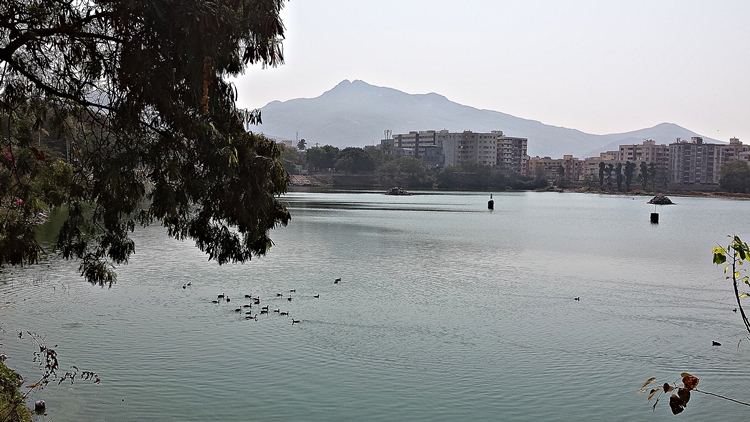
We went from the station to a busy road that borders the eastern edge of an almost circular lake named in honour of Narsinh Mehta (1414-81). He was a poet of Gujarat, who is revered like a saint. Born in Talaja (near Bhavnagar), he moved to Junagadh, where he lived until just before he died (probably in the town of Mangrol). We had come here to reserve coach seats at the agency that specialised in journeys to our next destination. We had tiny cups of tea nearby, before visiting a remarkable building…

Nar 2

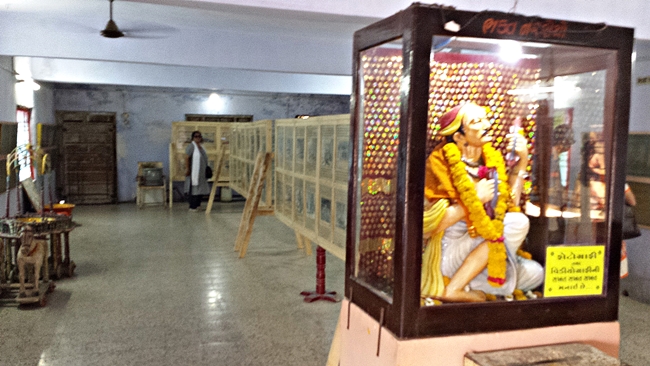
… Without being asked, our driver took us to another of Junagadh’s landmarks, the Narsinh Mehta Choro. This place is built on the site where, during the 15th century, the poet/saint Narsinh Mehta used to conduct bhajan singing, meetings, and religious discourses. The compound, entered from the street via an archway, contains a small Hindu temple, another religious shrine, and a museum. The latter illustrates Mehta’s life with a series of panels. Most of them have text in Gujarati.

Nar 1

Here is a small sample of Mehta’s poetry, translated by Sachin Ketkar, copied from his website:
 

In this entire universe, you alone exist, Shri Hari,

Yet, in infinite forms you seem to be!

You are the divine in the human flesh,

The fire you become among the elements,

In the void, you become the Word, which the Vedas laud!

In this entire universe, you alone exist, Shri Hari,

Yet, in infinite forms you seem to be!


O Sustainer of the Earth! You are the wind!

You are the water and you are the Earth!

You are also the outstretched tree blossoming in the sky!

In this entire universe, you alone exist, Shri Hari,

Yet, in infinite forms you seem to be!


(SEE: https://sachinketkar.webs.com/narsinhmehta.htm):

A deserted palace…

SIH 0

SIHOR was the capital of the Gohil Rajputs until the 18th century. They ruled what was to become the Princely State of Bhavnagar. In the 18th century, the capital was shifted to Bhavnagar, which was established on a site 20 kilometers east of Sihor. 

SIH 2

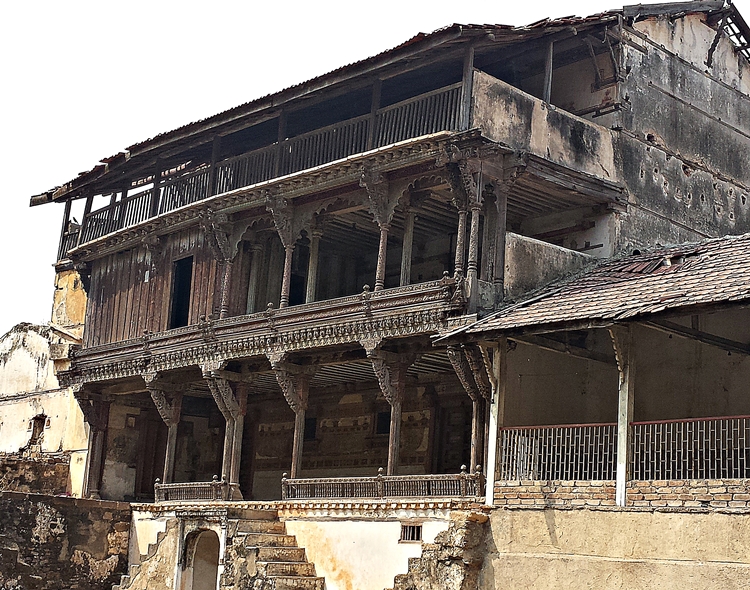
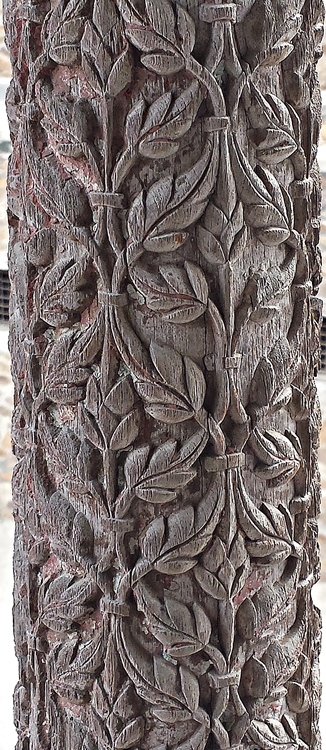
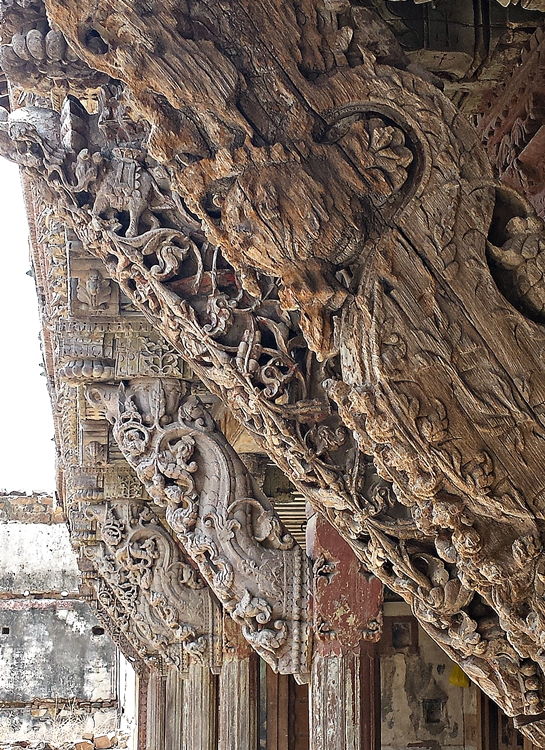
Apart from being a delightful town, Sihor contains the venerable remains of the former darbagadh (the royal palace).

SIH 1

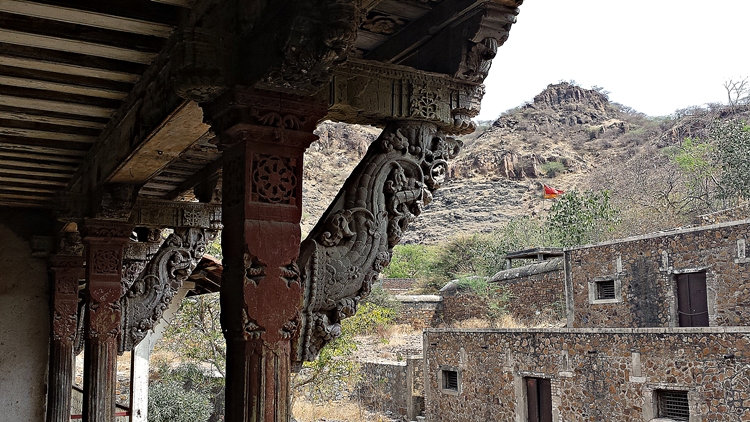
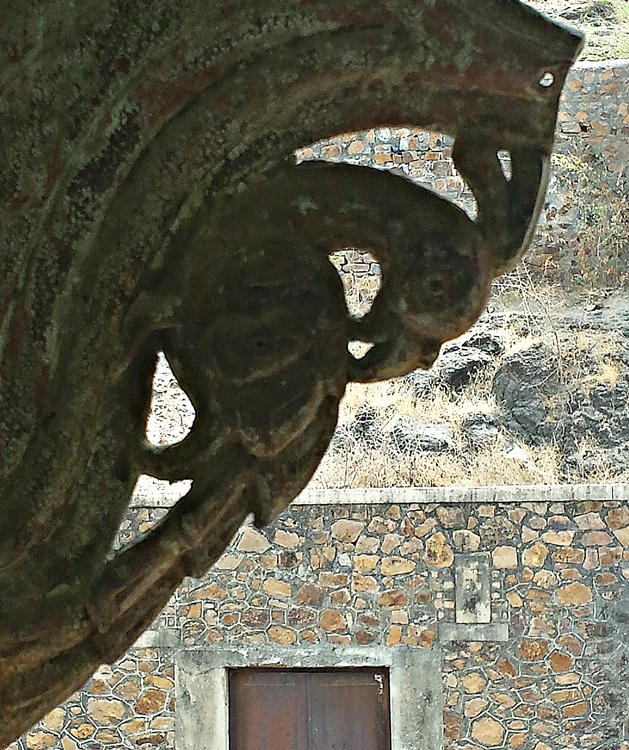
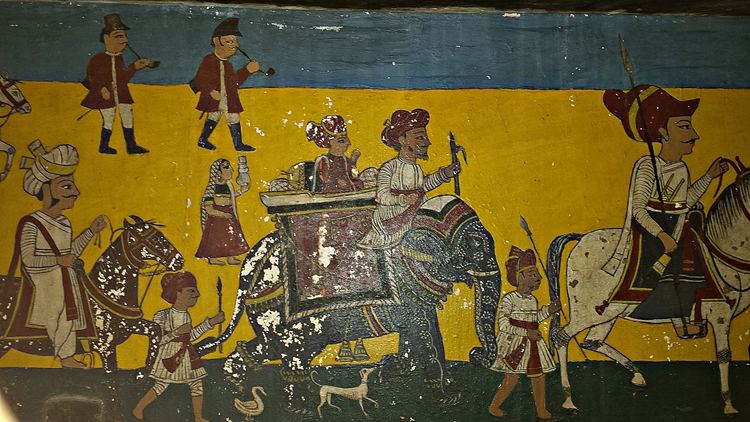
Here are some photographs of this fabulous palace, which we visited courtesy of the (former) royal family, who still own it.

SIH 5

If you wish to know more about it, you should read my forthcoming book:

“TRAVELS THROUGH GUJARAT, DAMAN, and DIU”

SIH 4

Lovely setting

SIH 9

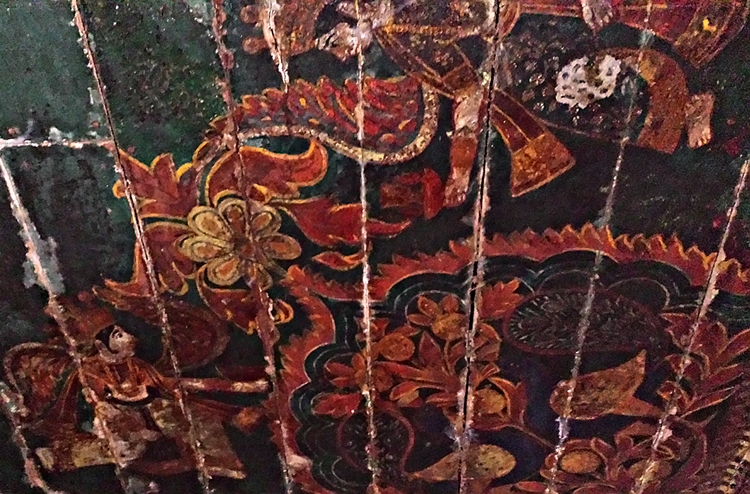
Fine frescos

SIH 6

Authentic unspoilt interiors

SIH 8

Craftsmanship

SIH 7

SIH 3

Wonderful woodwork


SIH 10

Amazing artwork